


Eye Allergies or Dry Eye? How to Tell the Difference
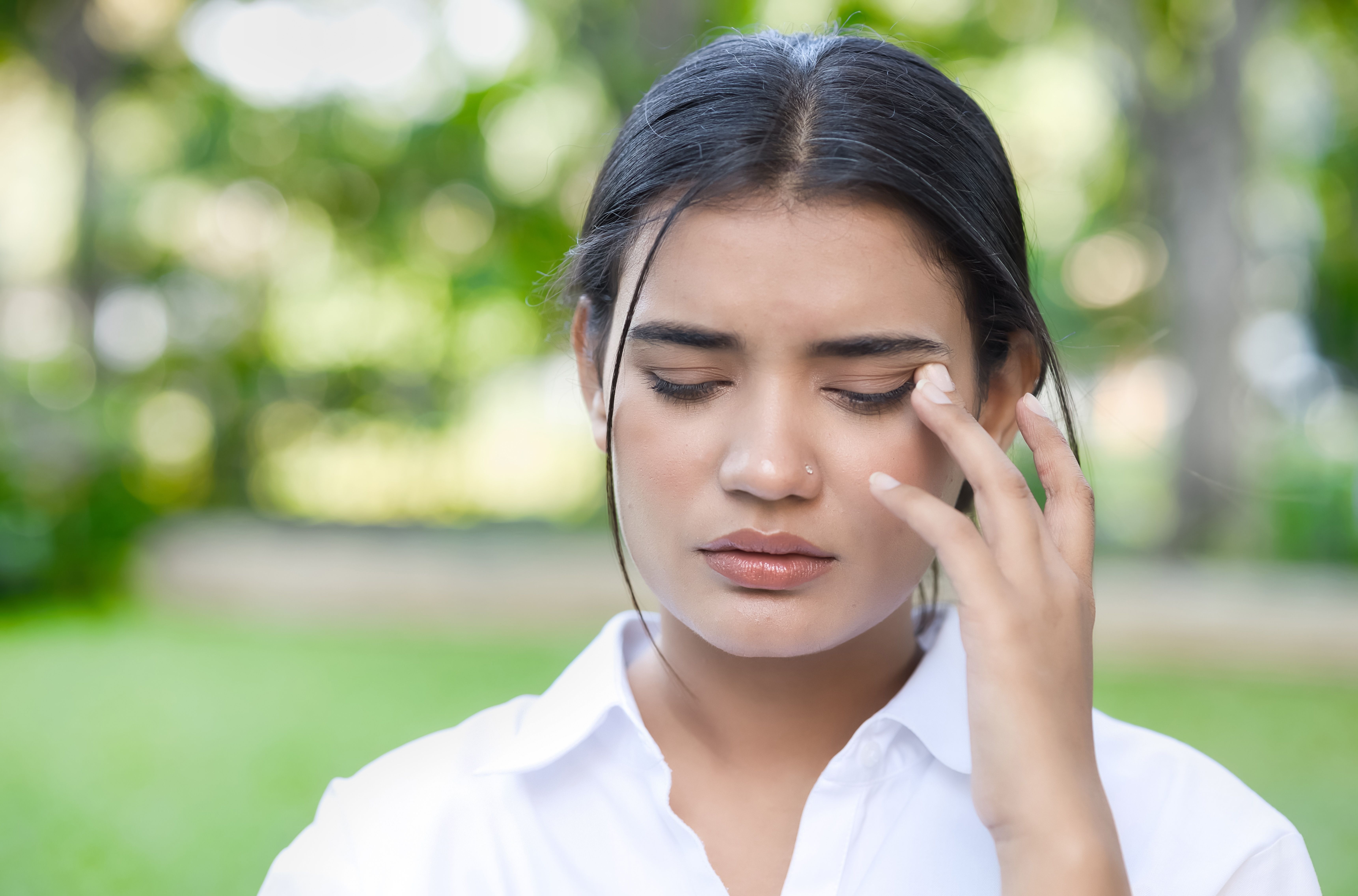
If your eyes feel irritated, itchy, or watery, you may assume it’s just seasonal allergies. However, many people are surprised to learn that dry eye disease can cause similar symptoms. At Brandon Eyes, we often see patients who aren’t sure whether they’re dealing with eye allergies or dry eye. While the symptoms can overlap, the causes and treatments are very different. Understanding the distinction is the first step toward lasting relief.
What Are Eye Allergies?
Eye allergies, also known as allergic conjunctivitis, occur when your eyes react to allergens such as pollen, dust mites, pet dander, or mold. When exposed to these triggers, your immune system releases histamines, causing inflammation in the eyes.
Common symptoms of eye allergies include:
- Intense itching
- Redness
- Watery discharge
- Swollen eyelids
- Burning or stinging
- Sensitivity to light
One key sign of allergies is itching. If your primary symptom is a strong urge to rub your eyes, allergies are often the culprit. Symptoms may also flare up seasonally or after exposure to specific environments, such as being outdoors during high pollen counts.
What Is Dry Eye?
Dry eye occurs when your eyes do not produce enough tears or when the tears evaporate too quickly. Healthy tears are essential for keeping the eye’s surface smooth, clear, and comfortable. When tear quality or quantity is compromised, irritation develops.
Common symptoms of dry eye include:
- Burning or gritty sensation
- Redness
- Blurred vision that improves with blinking
- Eye fatigue
- Stringy mucus
- Feeling like something is in your eye
Unlike allergies, dry eye usually does not cause significant itching. Instead, patients often describe a sandy, scratchy, or foreign-body sensation. Dry eye symptoms may worsen after long hours of screen use, reading, driving, or being in air-conditioned environments.
Key Differences Between Eye Allergies and Dry Eye
Although both conditions can cause redness and discomfort, several clues can help you tell them apart:
- Itching vs. Grittiness: Severe itching strongly points to allergies. A dry, gritty feeling suggests dry eye.
- Discharge Type: Allergies typically cause watery discharge, while dry eye may cause stringy mucus.
- Triggers: Allergy symptoms often coincide with seasonal changes or exposure to allergens. Dry eye is commonly linked to prolonged screen time, aging, certain medications, hormonal changes, or underlying health conditions.
- Vision Changes: Dry eye frequently causes fluctuating or blurry vision that improves with blinking. Allergies usually do not significantly affect visual clarity unless swelling is severe.
Can You Have Both?
Yes, it’s possible to have both eye allergies and dry eye at the same time. In fact, allergies can sometimes worsen dry eye symptoms by disrupting the tear film. Additionally, some allergy medications may reduce tear production, making dryness worse. This overlap is one reason why a professional evaluation is so important.
Why an Accurate Diagnosis Matters
Using the wrong treatment can prolong discomfort. For example, antihistamine eye drops may relieve allergy-related itching but could worsen dryness in some patients. Similarly, using only artificial tears when allergies are the primary issue may not fully address inflammation.
At Brandon Eyes, a comprehensive eye exam allows us to evaluate your tear quality, assess the surface of your eyes, and determine whether inflammation, allergies, dry eye, or a combination of factors is causing your symptoms. From there, we can recommend targeted treatments such as prescription eye drops, advanced dry eye therapies, lifestyle adjustments, or allergy management strategies.
Get Answers About Your Eye Symptoms at Brandon Eyes
While eye allergies and dry eye can feel similar, understanding their differences is essential for finding effective relief. Itching typically signals allergies, while burning, grittiness, and fluctuating vision often point to dry eye. Because symptoms can overlap, a professional evaluation is the best way to get clear answers and personalized treatment.
If you’re experiencing ongoing eye discomfort, contact Brandon Eyes to schedule your comprehensive eye exam. Our team is here to help you identify the cause of your symptoms and restore clear, comfortable vision. Visit our office in Middleton or Madison, Wisconsin. Please call (608) 833-7256 or (608) 833-0301 to book an appointment today.


Powered by: 